Couples, Individual or Relationship Counselling: Which Fits?

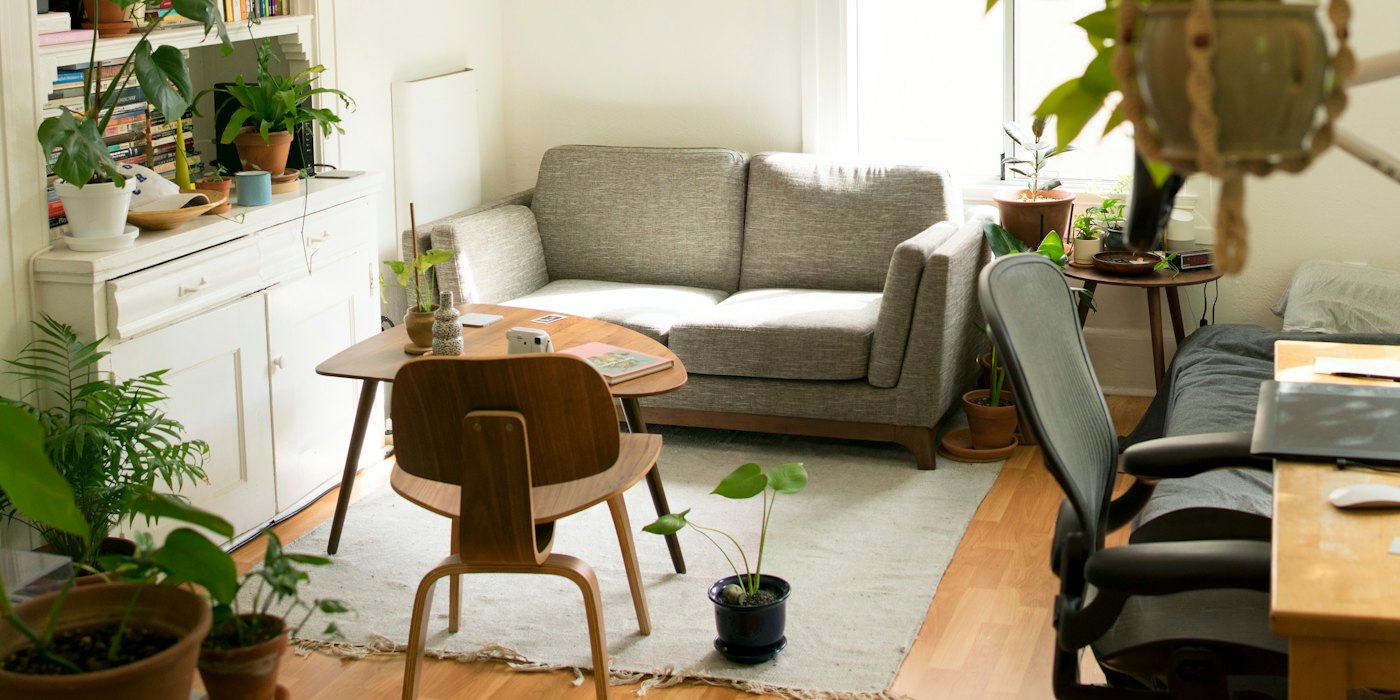
Photo: Mitchell Luo on Unsplash
When you’re in more than one relationship, the question “Who should come to counselling?” can get complicated. Should you go alone? With one partner? With everyone? There’s no single right answer. The best choice depends on what you want help with, and on who is ready to take part.
This guide explains the main options in plain words, so you can pick a starting point. You can always change course later.
Individual counselling: just you
In individual counselling, you meet with a counsellor on your own. The focus is on you: your feelings, your patterns, your goals.
It often fits when:
- You want to understand your own feelings, like jealousy, anxiety or grief.
- You’re deciding something about your relationships and want space to think.
- Your partners aren’t ready or able to come.
- You want help with something that isn’t about relationships at all, like work stress or past trauma.
- You want a private place to talk freely.
Good to know: Individual counselling can still help your relationships a lot. When one person changes how they respond, the whole system often shifts.
Couples counselling: you and one partner
In couples counselling, two partners meet together with one counsellor. The “client” is really the relationship between you.
It often fits when:
- You and one partner keep having the same argument.
- You’re talking about opening your relationship, or changing your agreements.
- Trust has been hurt and you both want to repair it.
- One of you has a new partner and you want to adjust together.
Good to know: It’s important that your counsellor doesn’t treat your other relationships as the “real” problem. A poly-friendly counsellor will help you work on your relationship without blaming the structure around it.
Relationship counselling with more than two people
Some counsellors see three or more people together: for example, a triad of a bi woman and two non-binary partners, a queer polycule, or partners and metamours (a partner’s partner). This is sometimes called relationship or multi-partner counselling.
It often fits when:
- Several people share a home, children or money.
- A conflict involves more than two people.
- You want to build shared agreements that everyone understands.
- Communication keeps breaking down in the group.
Good to know: Not every counsellor offers this. It takes extra skill to make sure everyone gets heard, so ask directly: “Do you see more than two people together, and how do you run those sessions?” Our guide to questions to ask a counsellor has more ideas.
Family counselling
If your relationships include children or other family members, family counselling may help. It can be useful for big changes, like a partner moving in, or helping kids understand who the important adults are in their lives.
Mixing and matching
Lots of people combine these. For example:
- Individual sessions for yourself, plus a few couples sessions when something big comes up.
- Couples counselling with one partner, while your other partner sees their own counsellor.
- A few group sessions to agree on how to share a home, then back to individual work.
Some counsellors do both individual and relationship work with the same people. Others prefer to keep them separate, to avoid one person feeling the counsellor is “on their side”. Ask how your counsellor handles this.
A simple way to choose
If you’re stuck, try these questions:
- Is the main issue inside me, or between us? Inside you points to individual counselling. Between you points to couples or group counselling.
- Who is willing to come? Counselling works best when everyone in the room chooses to be there.
- Do I feel safe being honest with this person in the room? If not, start with individual counselling.
- What can I afford? Group sessions are often longer and may cost more. Ask about fees and sliding scales up front.
A note about safety
If there’s any abuse, threats or fear of a partner in a relationship, joint counselling is usually not the right place to start. Individual support is safer. Our get help page lists Canadian support lines. If you’re in danger, call 911 or your local emergency number. If you’re struggling and need to talk to someone now, you can call or text 9-8-8 any time.
About cost and coverage
In Canada, counselling with a private practitioner is often paid out of pocket or through a workplace benefits plan. Plans differ in which professional titles they cover. Before you book, check with your plan, and ask the counsellor what title and registration they hold. Some counsellors offer a sliding scale for people with lower incomes.
Wherever you start is okay
You don’t need to get this perfect. Many people start with one kind of counselling and then shift. What matters is taking the first step toward support. When you’re ready, our directory will let you filter by who a counsellor sees: individuals, couples, or more than two people.
Recommended reading
- Polysecure by Jessica Fern. Helps you see whether an issue is personal (attachment) or between partners.
- Polywise by Jessica Fern and David Cooley. Covers the relationship problems people often bring to counselling.
This guide is general information, not therapy or medical advice. If you’re struggling, a qualified counsellor can help. If you’re in crisis, call or text 9-8-8 (Suicide Crisis Helpline). In an emergency, call 911.
More guides
How to Find a Poly-Friendly Therapist in Canada
A calm, step-by-step guide to finding a counsellor in Canada who understands non-monogamy and affirms 2SLGBTQIA+ clients.

Questions to Ask a Therapist Before Your First Session
Simple questions to ask a counsellor before your first session, and what good answers sound like if you are poly or non-monogamous.

Opening a Relationship: How to Talk About It With Your Partner
How to raise the idea of opening your relationship with care: timing, first words, hard feelings, agreements, and when to get support.